
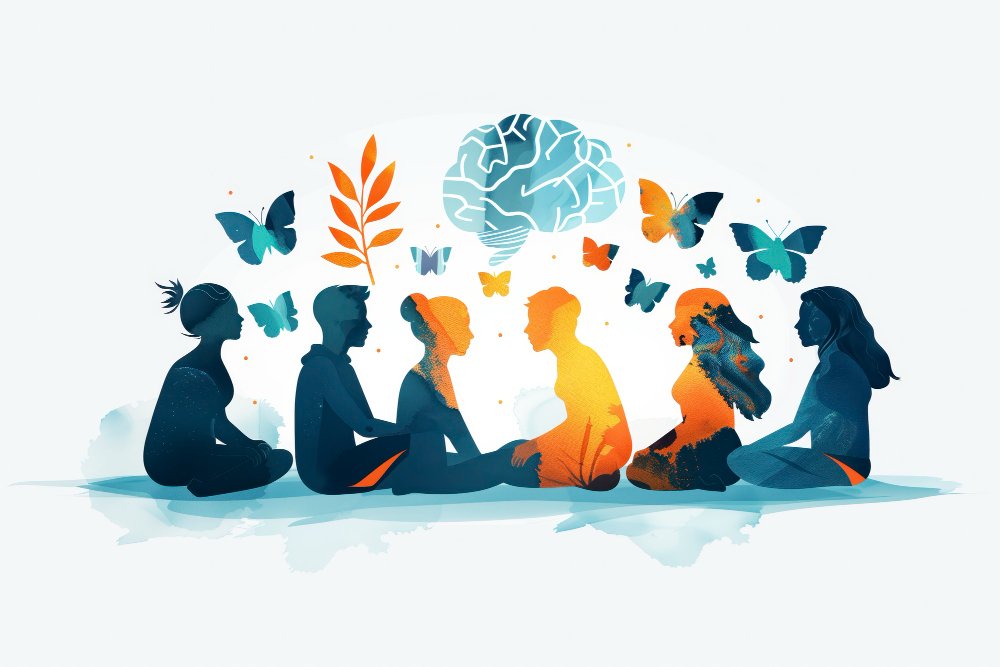
The "study abroad" dream is often sold through a montage of graduation caps and weekend trips to European landmarks. However, the reality for many Indian students in 2026 includes a quieter, more difficult challenge: the "Second Semester Slump." Once the initial administrative rush of setting up SIM cards and bank accounts ends, the weight of academic pressure and social isolation often sets in.
In 2026, social integration is not just about making friends; it is a critical component of your professional success and mental well-being.
1. Acknowledging the "Housing-Stress" Social Climate
It is important to address the current climate in major student hubs. In cities like Toronto, Sydney, and London, a severe housing crisis has occasionally led to localized "outsider" stigmas, where international students are unfairly blamed for rising rents.
The Strategy: Avoid "enclave living." While it is comforting to live exclusively with other Indian students, it can reinforce the feeling of being an outsider. Choosing mid-sized cities or "College Towns" over massive metropolises often results in a warmer reception and a more integrated community experience.
2. Fighting the 'Second Semester Slump'
The "slump" usually hits around month six. The novelty has worn off, the weather may be bleak, and the distance from family feels magnified.
Utilize University Wellness: Most universities abroad offer comprehensive mental health support that is included in your student fees. Unlike the stigma that sometimes exists in India, seeking counselling is viewed as a standard part of student life.
Peer Support Networks: Many universities now host "Global Peer Mentor" programs. Connecting with a senior Indian student who has already navigated the "slump" can provide the perspective needed to realize that these feelings are temporary and universal.
3. Strategic Social Integration: The 'Interests-First' Rule
Social integration shouldn't feel like a chore. The most successful students integrate by pursuing hobbies rather than just "networking."
Join Niche Clubs: Whether it’s a hiking club, a robotics team, or a debate society, shared interests bridge cultural gaps faster than small talk.
Volunteer Locally: Volunteering at a local food bank or animal shelter in your host city is one of the fastest ways to build "local" credibility. It shifts your identity from a "temporary visitor" to a "contributing community member."
4. Digital Communities vs. Real-World Isolation
While WhatsApp groups with family back home are a lifeline, over-reliance on them can prevent you from engaging with your new environment.
The "One-Hour" Rule: Dedicate at least one hour a day to a "local" interaction whether it’s chatting with a librarian, attending a local meet-up, or studying in a public cafe rather than your room.
Online/Offline Balance: Use digital tools to find offline events. Platforms like Meetup or university-specific apps are great for finding events that match your 2026 career goals or personal interests.
The Key Takeaway
Mastering your environment is just as important as mastering your curriculum. By proactively seeking integration and utilizing the mental health resources available, you transform from a struggling "outsider" into a confident, global citizen.