
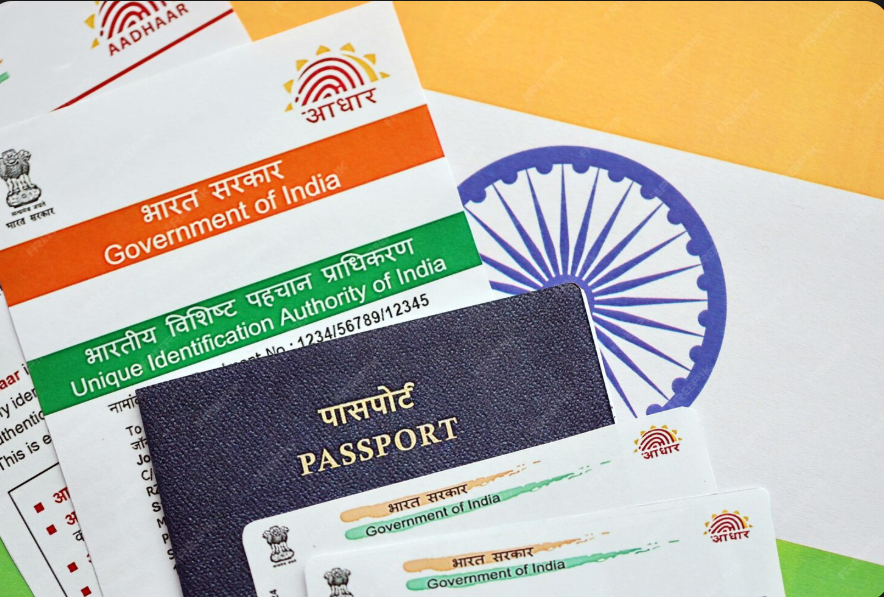
You’ve landed in India, settled into your hostel, and now you want the basics: a local SIM card to stop paying roaming fees, a bank account for your allowance, and maybe a registration for that summer internship at a tech firm.
Then comes the "Catch-22." Everyone asks for an Aadhaar card. You’ve heard you need to live in India for 182 days to get one - but you need the card now.
In 2026, there is a massive shortcut that most NRI students miss. If you hold an Indian Passport, you are exempt from the residency wait. Here is your "Life Saver" guide to getting an Aadhaar on arrival.
1. The 182-Day Myth vs. The NRI Reality
For years, the rule was simple: stay 182 days, then apply. But the Government of India realized this was a nightmare for students and professionals.
The New Rule: Non-Resident Indians (NRIs) with a valid Indian Passport can now apply for an Aadhaar immediately upon arrival in India.
The OCI Exception: If you hold a foreign passport (OCI holder), the 182-day rule still applies to you. But for Indian citizens living in the UAE, the doors are wide open.
2. Why You Can't Afford to Skip This
In 2026, Aadhaar has become the "Digital Oxygen" of India. You’ll need it for:
Instant SIM Activation: Without Aadhaar, getting a SIM on a foreign/NRI status involves massive paperwork and 3-5 days of waiting. With Aadhaar, it’s a 10-minute "e-KYC" process.
Internship Portals: Many corporate internship portals (especially for stipends) require an Aadhaar for tax and payroll purposes.
Student Discounts: From flight bookings to museum entries, an Aadhaar is the most widely accepted proof of "Indian Resident" status.
3. Step-by-Step: The "On Arrival" Process
Don't just walk into a centre; follow this high-speed 2026 workflow:
Book Before You Fly: Visit the official site book an appointment at an Aadhaar Seva Kendra (ASK) in your university city.
Use Form 2: When you arrive at the center, ask for Form 2 (for NRIs). This form explicitly handles the 182-day waiver.
The "One Document" Rule: Your Indian Passport is your superpower. It serves as your Proof of Identity (PoI), Proof of Address (PoA), and Proof of Date of Birth (DoB). You generally don't need any other local documents.
Mandatory Email: Unlike resident Indians, NRIs must provide a valid email ID during enrollment to receive their digital e-Aadhaar.
4. The "Foreign Address" Option
One of the best updates for 2026 is that you can now have your UAE/Gulf address printed on your Aadhaar if your passport reflects it.
Pro-Tip: If you need a local Indian address for bank purposes, you can use a "Proof of Relationship" (like your parent's local address) or your hostel allotment letter, but using the passport address is the fastest, "no-questions-asked" route.
5. Timeline: From Biometrics to SIM Card
Day 1: Visit the ASK for biometrics (fingerprints and iris scan).
Day 3–7: Your Aadhaar is usually generated in the system. You will receive an SMS/Email.
Day 8: Download your e-Aadhaar from the UIDAI website. This digital version is 100% legally valid for getting a SIM card or opening a bank account immediately. You don't need to wait for the physical plastic card to arrive by mail!
The Final Verdict: Don't be the student who waits six months to feel "official." Use your Indian Passport to skip the line. Get your Aadhaar in your first week so you can focus on your studies, not your paperwork.